
Walk into a beautifully designed home and chances are the first thing that catches the eye isn't the furniture or the wall color. It's the lighting hanging above. A well chosen pendant light has a strange kind of power. It can turn an ordinary kitchen island into something that feels intentional and inviting without a single other change in the room.
Why does one fixture carry so much visual weight? Because unlike recessed lighting hidden in the ceiling a pendant hangs at eye level. It becomes part of the room's personality rather than just a source of illumination.
There's something about a hanging fixture that recessed or flush mount lighting simply can't replicate. A pendant light occupies physical space in a room. It has shape texture and often a distinct silhouette that draws the eye upward and gives a space a sense of scale.
Think about walking into a restaurant with a cluster of amber pendants glowing softly above a bar. That warmth doesn't come from brightness alone. It comes from the fixture itself becoming part of the atmosphere rather than disappearing into the ceiling the way most other lighting does.
Here's a question many homeowners get wrong. How low should a pendant light actually hang? Over a kitchen island the general guideline suggests keeping the bottom of the fixture around 30 to 36 inches above the counter surface. Too high and the light feels disconnected from the space below. Too low and it becomes an obstruction people literally bump their heads on.
Dining tables typically work best with pendants hung around 30 to 34 inches above the surface depending on ceiling height. Getting this measurement right isn't just about function either. Proper hanging light fixtures placement genuinely changes how proportional and intentional a space feels.
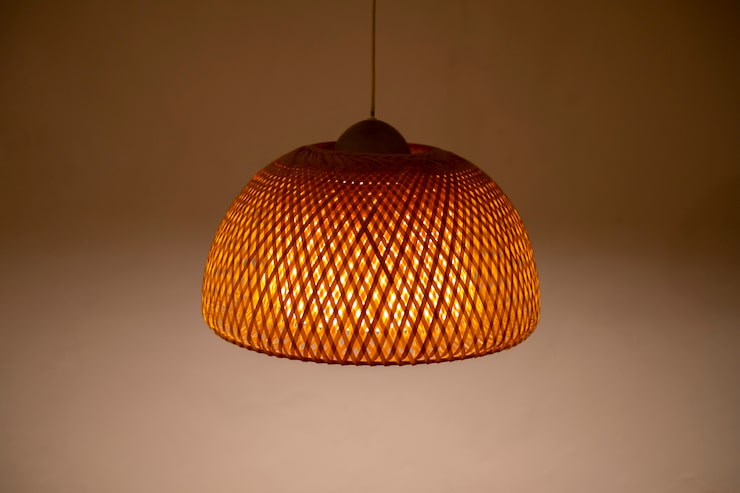
Does the material of a fixture actually matter that much? Absolutely. A glass pendant light diffuses light softly and works beautifully in minimalist or Scandinavian inspired spaces. Woven rattan or wood pendants on the other hand bring warmth and texture that glass simply can't achieve giving rooms an earthy organic feel.
Metal fixtures particularly in matte black or aged brass finishes have become increasingly popular for creating that moody sophisticated look many modern homes chase after. Interestingly the material doesn't just affect appearance. It also affects how light spreads throughout the room since opaque materials direct light downward while translucent ones scatter it more broadly.
Why settle for one fixture when a cluster of three can completely transform a space? Grouped pendant lighting has become a favorite technique among interior designers particularly over dining tables and kitchen islands. Varying the heights slightly within a cluster creates visual movement rather than a flat uniform row.
This technique works particularly well in open concept homes where a single pendant might feel visually lost in a larger space. A cluster fills that visual gap while still maintaining an elegant rather than cluttered appearance when spaced thoughtfully.
Should a bedroom pendant look the same as one hanging over a kitchen island? Not necessarily. Bedrooms often benefit from softer diffused pendant light fixtures that create a calming glow rather than sharp task lighting. Kitchens and workspaces however typically need brighter more direct fixtures since actual tasks happen underneath them.
Living rooms tend to favor decorative statement pendants that double as an art piece almost as much as a light source. This is where decorative pendant lighting gets to shine quite literally as homeowners lean into bold shapes and unique silhouettes that reflect personal style.
Does choosing an elegant pendant mean sacrificing efficiency? Not anymore. Most modern pendant light fixtures now come compatible with LED bulbs offering warm ambient tones without the higher energy consumption of older incandescent options required. This means homeowners can achieve that cozy elegant glow while still keeping electricity bills reasonable.
Selecting the right pendant lighting ultimately comes down to balancing room function ceiling height, existing decor and personal style all at once. Getting this mix right transforms a room from simply functional into genuinely memorable.
For homeowners and designers exploring pendant light options that blend elegance with practicality browsing a dedicated lighting specialist often makes the selection process far easier. That's where a provider like Penta Lighting becomes a smart place to start especially for those wanting quality hanging pendant lights that bring both warmth and sophistication into any living or working space.
Q: How many pendant lights should hang over a kitchen island?
A: Most islands look best with two or three pendants spaced evenly though this depends on the island's length.
Q: What height works best for dining room pendant lights?
A: Around 30 to 34 inches above the table surface generally creates the right balance of light and visual proportion.
Q: Can pendant lights work in small rooms?
A: Yes a single well chosen pendant can actually make a small room feel more intentional and stylish rather than cluttered.
Q: Are glass or fabric pendant shades better for ambience?
A: Glass creates a crisp diffused glow while fabric shades produce a warmer softer light depending on the desired mood.
Q: Do pendant lights work well with LED bulbs?
A: Yes most modern pendant fixtures are fully compatible with LED bulbs offering better efficiency without losing warm ambient tones.