
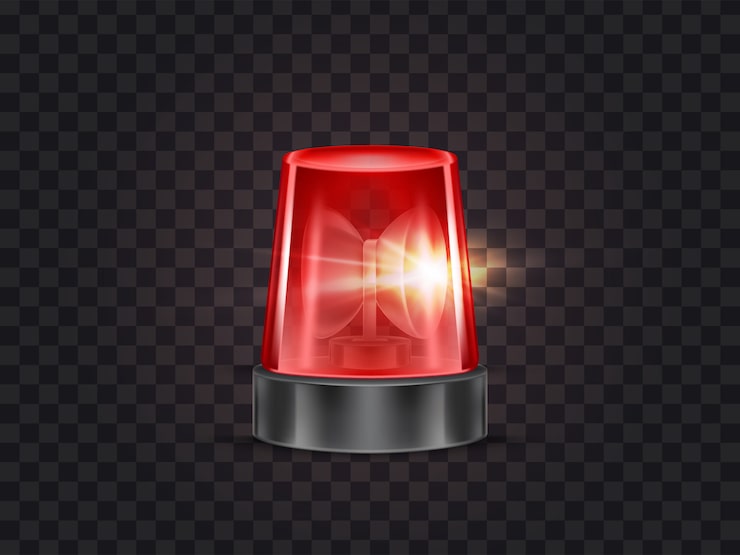
Ever looked up at a tall building or a crane at night and noticed a small red or white blinking light near the top? That's not decoration. That's an obstruction light doing its quiet but critical job of keeping aircraft away from danger.
Aviation safety depends on countless small details working together and this happens to be one of the most overlooked yet essential ones. Pilots flying at night or through low visibility rely heavily on these signals to judge height, distance and location of tall structures below them. Without proper aviation warning lights the sky would be a far riskier place to navigate.
At its core an obstruction light is a warning beacon mounted on tall structures to alert aircraft of their presence. Towers, chimneys, wind turbine bridges and even tall buildings near flight paths typically require these fixtures by regulation as part of standard airspace safety lighting.
Think about it this way. A pilot cruising at night has limited visual reference points. A dark unlit tower blending into the horizon could easily go unnoticed until it's too late. That single flashing light changes everything by giving pilots a clear visual cue of exactly where the danger lies.
Not all obstruction lights work the same way. Some flash in steady red patterns visible mainly at night while others use high-intensity white strobes designed for daytime visibility as well. Aviation authorities such as the FAA and ICAO set strict guidelines on intensity flash rate and placement depending on structure height and location under what's commonly called aircraft warning light standards.
Curiously enough the color and flash pattern isn't random at all. Red lights are typically used for lower intensity nighttime warning while white strobes handle both day and night visibility for much taller structures. Ever wonder why airport towers and skyscrapers sometimes look different at night? That difference usually comes down to which lighting standard applies to their height category.
Does every tall structure need the same kind of obstruction lighting? Not exactly. A 50 meter tower near a rural area might only need a basic single obstruction light at its peak. A 300 meter communication tower near a busy flight corridor however often requires multiple lights at different levels along its height along with synchronized flashing to create a visible outline in the sky. This kind of layered setup is often referred to as a dual obstruction lighting system.
This layered approach helps pilots judge not just where a structure begins but how tall it actually is. That distinction matters enormously when navigating through fog or heavy cloud cover where visual reference points are already scarce.
Aviation history has recorded incidents where poorly lit or unlit structures contributed to accidents. A malfunctioning obstruction light on a tower or a burnt out bulb left unreported for weeks can turn a routine flight path into a genuine hazard. This is exactly why regular maintenance and monitoring of these systems isn't optional. It's a legal and safety requirement in most countries with active aviation regulations governing high intensity obstruction lighting.
Interestingly some modern systems now use sensors that automatically detect bulb failure and send alerts to maintenance teams instantly. That kind of proactive monitoring has significantly reduced blackout incidents on tall structures over the past decade.
Traditional incandescent bulbs used in older obstruction lighting systems required frequent replacement and consumed considerable power. Today most manufacturers have shifted toward LED obstruction lights which last significantly longer and consume a fraction of the energy while offering more consistent brightness.
This shift isn't just about saving money on electricity bills either. LED based aviation obstruction lighting offers better reliability in extreme weather conditions including heavy rain snow and temperature fluctuations that would otherwise stress traditional bulbs. For structures in remote or hard to access locations that reliability genuinely makes a difference and reduces the need for frequent tower beacon light replacements.
Selecting an appropriate obstruction light setup isn't something to take lightly given how much responsibility rests on it. Structure height, regional aviation authority requirements surrounding air traffic density and even local weather patterns all influence what kind of lighting system makes sense whether it's a basic low intensity obstruction light or a more advanced dual system.
For businesses or engineers researching obstruction light solutions that meet international aviation standards while offering long-term durability, exploring a specialized provider is often the smartest move. That's where a name like Penta Lighting becomes genuinely useful especially for those who want reliable tower obstruction lighting solutions rather than a one size fits all product picked off a shelf.
Q: What structures typically require obstruction lights?
A: Towers, chimneys, wind turbines, tall buildings and bridges near flight paths usually require them based on height and aviation authority regulations.
Q: What's the difference between red and white obstruction lights?
A: Red lights are generally used for nighttime low intensity warning while white strobes provide higher intensity visibility during both day and night.
Q: How often should obstruction lights be maintained?
A: Regular inspection schedules vary by regulation but most authorities require routine checks along with immediate repair of any malfunction.
Q: Are LED obstruction lights better than traditional bulbs?
A: Yes they generally last longer, consume less power and perform more reliably in harsh weather compared to older incandescent systems.
Q: Who regulates obstruction lighting standards?
A: Aviation bodies such as the FAA and ICAO set the primary international guidelines though local aviation authorities may add specific requirements.