
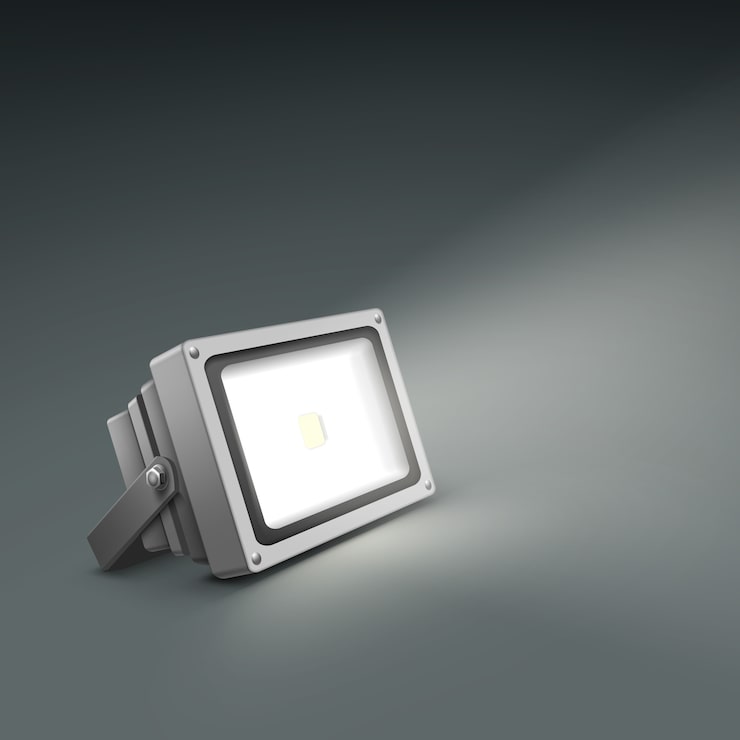
Outdoor lighting has become an important part of modern property design. A well-lit garden or driveway or building exterior can feel more inviting after sunset. Good lighting can also make outdoor areas easier to navigate. This is where the right LED Floodlight can make a real difference.
Modern floodlights are no longer limited to basic security purposes. They can support architectural lighting and outdoor work areas and commercial spaces and recreational areas. With the right choice a floodlight can provide useful illumination while fitting naturally into the overall design.
LED technology is widely valued for efficient operation and dependable illumination. A quality LED Floodlight can produce strong light without the bulky appearance associated with some older lighting fixtures.
Another useful feature is directional illumination. Instead of spreading light randomly across an area the fixture can be positioned to focus illumination where it is actually needed. This can be especially helpful for driveways or building entrances or loading areas.
Why light an entire space when only certain areas require strong visibility? Thoughtful placement can make outdoor lighting more effective while helping to avoid unnecessary glare.
Brightness is one of the first things to consider when choosing outdoor lighting. However simply selecting the highest wattage does not always mean better performance.
Lumen output provides a more useful indication of how much visible light a fixture produces. The required output depends on the size of the area and the mounting height and the intended application.
For example a small entrance may need modest illumination while a large outdoor work area could require a higher output. A suitable LED Floodlight should provide enough coverage without creating uncomfortable brightness.
Beam angle also deserves attention. A narrow beam can concentrate light over a specific area while a wider beam can cover a broader space. The best option depends on the layout and purpose of the property.
Outdoor lighting faces conditions that indoor fixtures do not encounter. Rain and humidity and dust and temperature changes can all affect equipment over time.
This is why protection ratings matter. An appropriate IP rating can indicate how well a lighting product is protected against elements such as dust and water. The exact requirement depends on where the fixture will be installed.
A floodlight mounted under a sheltered roof may face different conditions from one installed in an exposed garden or open parking area. Understanding the environment before selecting a fixture can prevent unnecessary problems later.
Even an excellent LED Floodlight can perform poorly if it is positioned incorrectly. Mounting height and angle and surrounding structures all influence the final lighting effect.
A fixture aimed too high may waste light beyond the intended area. One positioned too low may create excessive brightness in a limited section. Careful positioning helps create a more balanced result.
Consider a building entrance as an example. The light should illuminate the approach and nearby access points without shining directly into people's eyes. Small adjustments to the angle can have a surprisingly noticeable effect.
The versatility of modern floodlights makes them suitable for many applications. Homes can use them around gardens and driveways and entrances. Commercial properties may require outdoor illumination around warehouses and parking areas and building exteriors.
They can also be useful for sports areas and construction zones and service areas and other locations where dependable outdoor lighting is needed.
The ideal fixture will always depend on the specific environment. A residential garden does not have the same lighting requirements as a large commercial property. Understanding the purpose of the installation makes the selection process much easier.
Price is naturally part of any lighting decision. However focusing only on the initial cost can overlook important factors such as efficiency and durability and maintenance.
A well-designed LED Floodlight can offer practical long-term value when it matches the application correctly. Efficient lighting can help control energy consumption while reliable construction can reduce the need for frequent replacements.
It is also worth considering the future needs of the property. Will the lighting remain suitable if the outdoor area changes? Can the fixture be repositioned if required? These simple questions can lead to a more practical investment.
Selecting outdoor lighting becomes easier when there is access to a suitable range of professional products. Penta Lighting offers lighting solutions designed for different applications and environments. Its range includes options for outdoor illumination where dependable performance and practical design are important.
For anyone searching online while choosing the best LED Floodlight for modern outdoor lighting the Penta Lighting provides an opportunity to explore suitable lighting solutions and learn more about available options.
An LED Floodlight is commonly used to illuminate outdoor areas such as entrances and gardens and driveways and parking spaces and commercial surroundings.
The required brightness depends on the size of the area and mounting height and purpose. Lumen output can help determine whether a fixture provides suitable illumination.
Yes. The correct product should be selected according to the environmental conditions and its protection rating. Areas exposed to rain or dust may require suitable weather protection.
Yes. Beam angle affects how widely light spreads. A wider beam can cover a larger area while a narrower beam can provide more focused illumination.
Correct positioning helps direct light toward the intended area. It can improve coverage while reducing unwanted glare and wasted illumination.